

Sustainability
La Divina Papaya
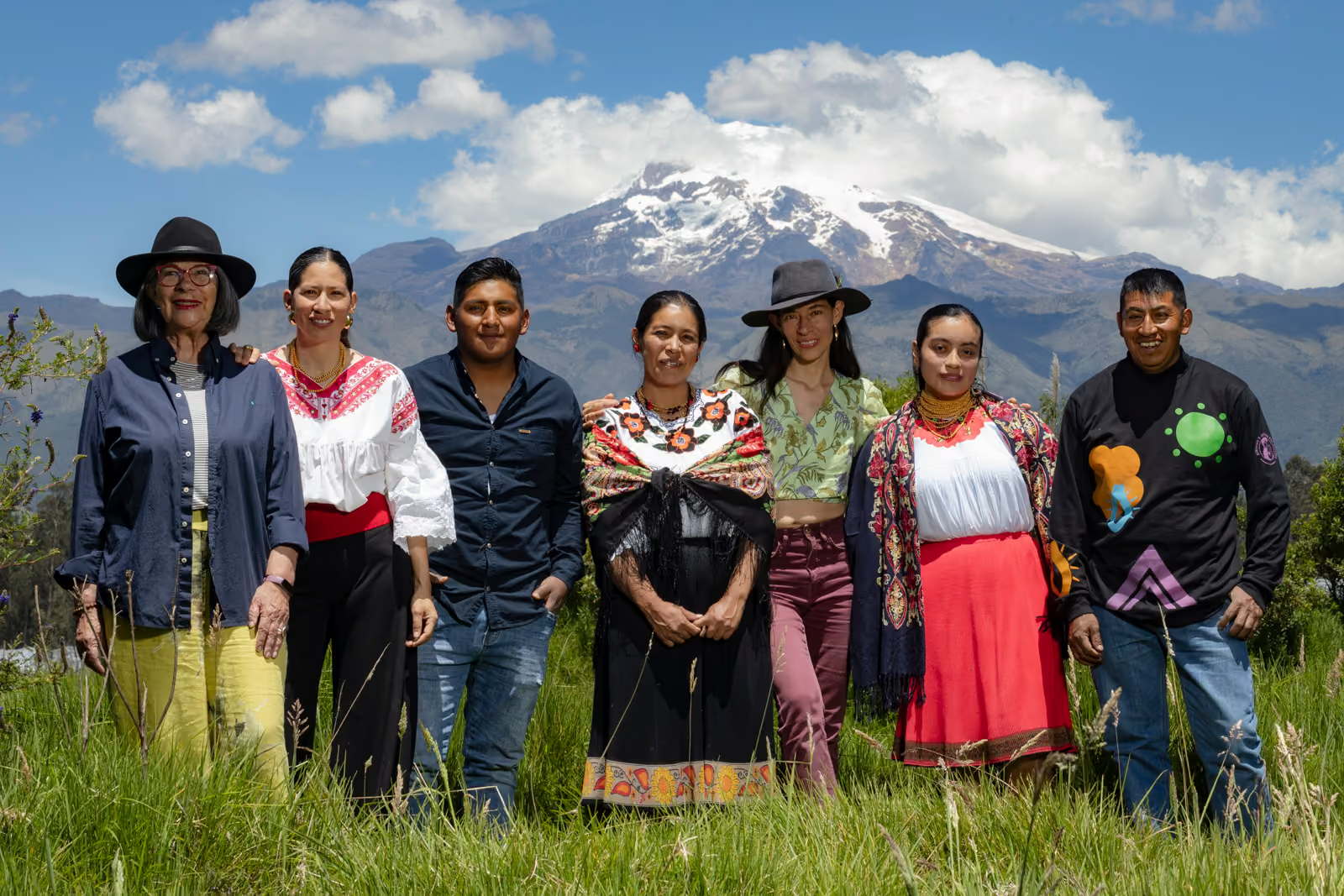
“Sustainability,” at least as we usually use the word, seems insufficient to describe what Daniela and Violeta Moreno Wray have created with their mother, Natalia Wray, at La Divina Papaya. Their aim is not simply to minimize their footprint, but to reconceive the entire system: regenerating soil, restoring biodiversity, strengthening rural economies and making consumption something that gives back to the land.
The three arrived at this purpose by unconventional paths. Daniela and Violeta came from theater and film; Natalia, an anthropologist, was connected to Indigenous and rural organizations. The family owned land in Cayambe, Upayaku—“quiet waters”—which for years had been only pasture. They began with residencies combining art, nature and technology, but the land produced no food. When they thought about farming, an uncomfortable question came up: how do we live from this land without destroying what gives it life?
Violeta had spent years working with plants. Daniela began learning agroecology from women producers nearby. They planted edible flowers and medicinal plants, learned to harvest rainwater and cope with frost, and watched wetlands and wild birds return. From that process came La Divina Papaya, a women-led BIC company that transforms native plants and edible flowers into functional foods. Its ambition: to foster regenerative rural economies based on sustainable, resilient food systems rooted in biocultural heritage.
La Divina Papaya works with six associations of rural women producers, connecting harvests that struggle to find a market with consumers who value them. It also seeks to influence the wider supply chain, encouraging restaurants, hotels and cafés to recognize their responsibility and agency in deciding what they buy, whom they buy it from and what kind of economy those choices sustain.
From Upayaku they also helped organize Tinku Uku Pacha, the second international Soil Assembly, bringing together art, science and rural economies to imagine how territories can be regenerated. The project has been recognized by Acelera HZero, Startups by Tetra Pak and FonQuito. But its deeper achievement is understanding that soil, biodiversity, food, culture, rural women, markets and consumption belong to the same system—and that gastronomy can help make that system stronger.