

Asian Cuisine
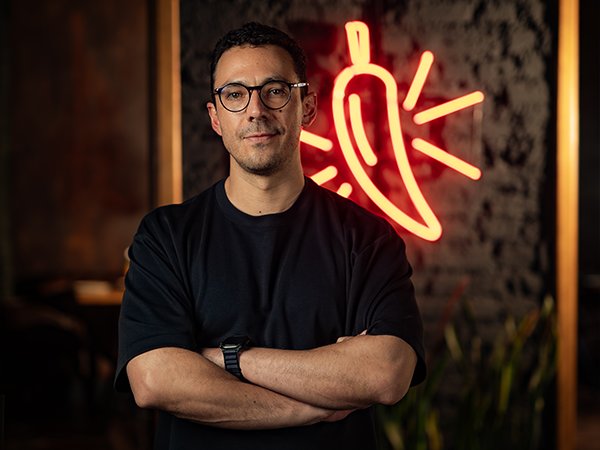

1. Banh Mi
Banh Mi began with two Ecuadorians who went to Australia to surf and came home obsessed with a Vietnamese sandwich. Felipe Salas later carried that curiosity through kitchens in Thailand, Lima, Copenhagen and La Paz. Today, his small La Floresta lab works with woks, ferments, fire and local ingredients: Southeast Asia with an Ecuadorian accent, our top Asian table this year.

KO shares DNA with Osaka, its more polished older sibling, but takes a decidedly streetwise route. Peruvian group MCK stripped down the Nikkei refinement it knows so well and turned it into something faster, looser and pan-Asian: China, Korea, Vietnam, India—all under one roof. The Osaka bloodline is still there. It just rolled up its sleeves.
Mágico Oriental taught Quito how to eat Chinese long before the current Asian-food fever took hold. The menu moves between Cantonese and Mandarin traditions: dim sum, lacquered meats, seafood and wok cooking. At the stove, owner-chef Mei Hua laid the foundations for a tradition the next generations have kept alive. Decades of craft have made it a Quito institution.

Lisha Li draws on her Cantonese roots for something fresh, relaxed and deeply home-style: dumplings, baos and soups served in a bright, playful space with an open kitchen. Even the name—yiyi, “aunt”—pays tribute to the women who keep family cooking alive. Authentic, everyday Chinese food speaking a thoroughly contemporary language in La Floresta.
Andrés Robles treats Maki Mó as a laboratory. He ages Ecuadorian fish, makes his own ferments and crosses Japanese, Korean and Thai techniques with local traditions: shrimp ramen that nods to encocado, sushi with sal prieta, and the day’s catch standing in for imported salmon. Making its debut on our list, Maki Mó finds its voice in a restless, compelling collision of worlds.