


Manabí and Santa Elena Restaurants
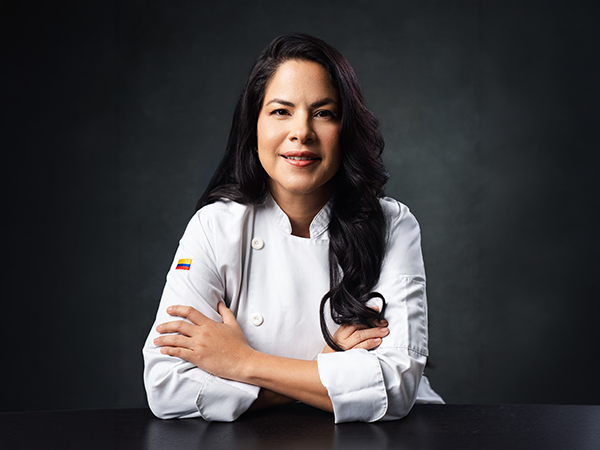

1. muya
Muya means garden, and Cecilia Cedeño’s in Manta grows on the same ground where her mother once tended hers. From there, this tireless student of the Manabí table has spent more than a decade pushing tradition forward: shrimp tonga, Manabí-style longaniza, tuna with panela and other regional staples, all cooked with deep roots. The result is unmistakably Manabí in flavor, contemporary in execution.


For more than two decades, Omar Rivadeneira has been showing just how far Manta’s pantry can go. His celebrated Rossini swaps beef for local tuna, adds Ecuadorian foie gras and replaces Madeira with panela; around it come seafood, llapingachos and international detours. Martinica endures because it never mistakes identity for stagnation: it cooks the coast with curiosity, craft and a fiercely personal freedom.

Iche is far more than a restaurant. Valentina Álvarez cooks from the Manabí oven she first knew at her great-grandmother’s home, while school, laboratory and restaurant connect new generations with farmers, fishers and ancestral knowledge through a circular economy model unlike anything else in Ecuador. Few projects have turned regional cuisine into such a convincing tool for identity— and for the future of the country’s gastronomy.

Delfín Mágico is inseparable from Salango. Alfredo and Victoria Pincay began with a few tables at home and built one of the coast’s great seafood institutions, combining his knowledge as a former fisherman with her cooking. Fish, seafood, and crustaceans define the menu, including percebes (or uña de cabra), a local ingredient that has become one of the restaurant’s signatures.

Calling Bocavaldivia a restaurant almost undersells it. In the hills outside Puerto Cayo, Rodrigo Pacheco has transformed 150 hectares of degraded land into an edible forest with an open-fire kitchen at its heart. Lunch beneath a giant samán draws on ingredients foraged, harvested or fished nearby. Here, the environment and your table form one continuous story and dining becomes inseparable from the landscape.