

Contemporary Ecuadorian Cuisine

1. Nuum
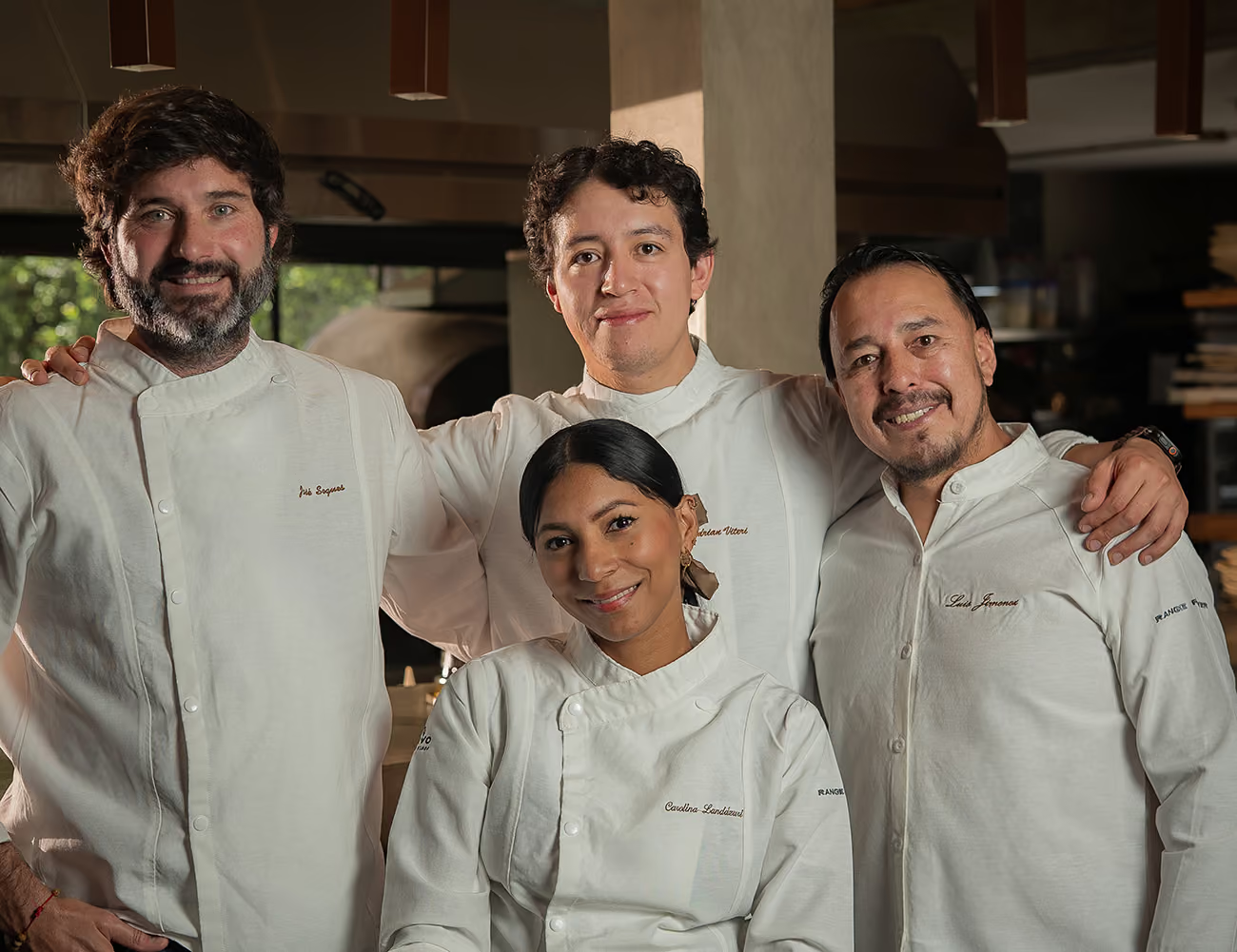
This is NUUM’s second year running with the award, and frankly, it’s hard to imagine it any other way. The kitchen is no longer interested in proving Ecuador can be contemporary. It takes that as a given. Regions meet without hierarchy; harvest, season and aging shape every decision. José Sogues and Luis Jiménez have built a language of their own, one where diversity calls the shots. That, more than any gimmick, is what makes the cooking modern.


At El Mercado, contemporary Ecuadorian cooking starts with memory. Familiar flavors and traditional preparations are pushed through unexpected techniques and presentations without sacrificing what founder Roberto Mora considers non-negotiable: the original flavor. The kitchen avoids both folkloric nostalgia and reinvention for reinvention’s sake. Its point is simpler… and harder to pull off, moving tradition forward without stripping it of what made it worth preserving in the first place.

At Clara, Ecuadorian tradition isn’t a rulebook. It’s only raw material. Felipe Salas, Ana Lobato and Ángel De Sousa have traveled the country deeply, studying the food people actually cook and the culinary memory that rarely makes it onto paper. From there, they push familiar flavors somewhere new without cutting the cord to where they came from.

At Zazu, Wilson Alpala begins with a simple premise: look inward before looking elsewhere. Raised in the Andes, he works with maize, tubers, seafood, fruit and Amazonian ingredients using a contemporary technique sharpened both at home and abroad. While not chasing trends, he digs into Ecuadorian cuisine with a voice unmistakably his own, proving that sophistication and a sense of place don’t have to cancel each other out.

José Tamayo sees Ecuadorian food for what it is: unfinished business. At Casa Gangotena, Indigenous, Spanish and African traditions—and the migrations and foreign influences that followed— aren’t frozen into some historical cookbook. They’re still colliding, adapting and changing. Ingredients from wildly different ecological zones meet new interpretations under one guiding idea: Cocina Mestiza. Tradition here isn’t something you preserve under glass. You keep it alive by letting it move.